
Circa 2023, the buzz of my high school classroom on a hot, sunny Florida day. The clock slowly ticked away as my groupmates and I awkwardly shifted in our seats, some unsure how to take the lead, others apathetic towards the cause. After 20 minutes of dodgy glances and fake smiles, we distributed the parts: introduction and background, summary of the Industrial Revolution and its implications for the economy. The assignment called for a lot of writing. Cue the reminders of the due date, pleading to turn it in a day or two early so we could make the appropriate revisions. One of my teammates looked over at me, flashed a smile and said, “Don’t worry, Pryanna. I won’t ChatGPT this.”
…
…
What?
In November 2022, ChatGPT was released to the public. Initially baffling to the everyday user, it is now common knowledge that it uses a large language model—including probability calculations, neural networks, immense training data—to produce written responses to human prompts. Even at its release, it excelled at mimicking human speech and has improved significantly since. What’s crazier is that we often forget that artificial intelligence is not limited to chatbots. It includes any model that draws conclusions from data, without pre-coded rules. This includes facial recognition, self-driving cars, surveillance cameras, robotic vacuums and more. AI is physically woven into our lives; we don’t even realize it.
My question is, though, how does AI impact what I remember? And I don’t mean the increased reliance on large language models and their impact on problem-solving and critical thinking skills. I mean, how is AI shaping the memories I hold onto and cherish?
To begin the investigation, it is important to recognize how we recall the past. Imagine your parents. It starts off as an innocuous recollection of how the Internet has effectivized the interconnectivity of information across the world. Then, suddenly, it spirals into stories of life pre-Internet, their college years, childhood, parents, and so on. We use technological advancements as anchors for memories, branching off from these to remember moments of our lives. These changes correspond directly to growing pains and fond memories in our lives, representing nostalgia. Our memories are imbued in these technologies. As we trace through their development, we also unearth our own.
Take the vacuum. When I was a kid, sunlight would seep through the curtains as a dull noise would wake me. I would wiggle out of my covers onto the cold hardwood floor, walk outside and almost trip over the cord from the vacuum my mom used to clean the floors.
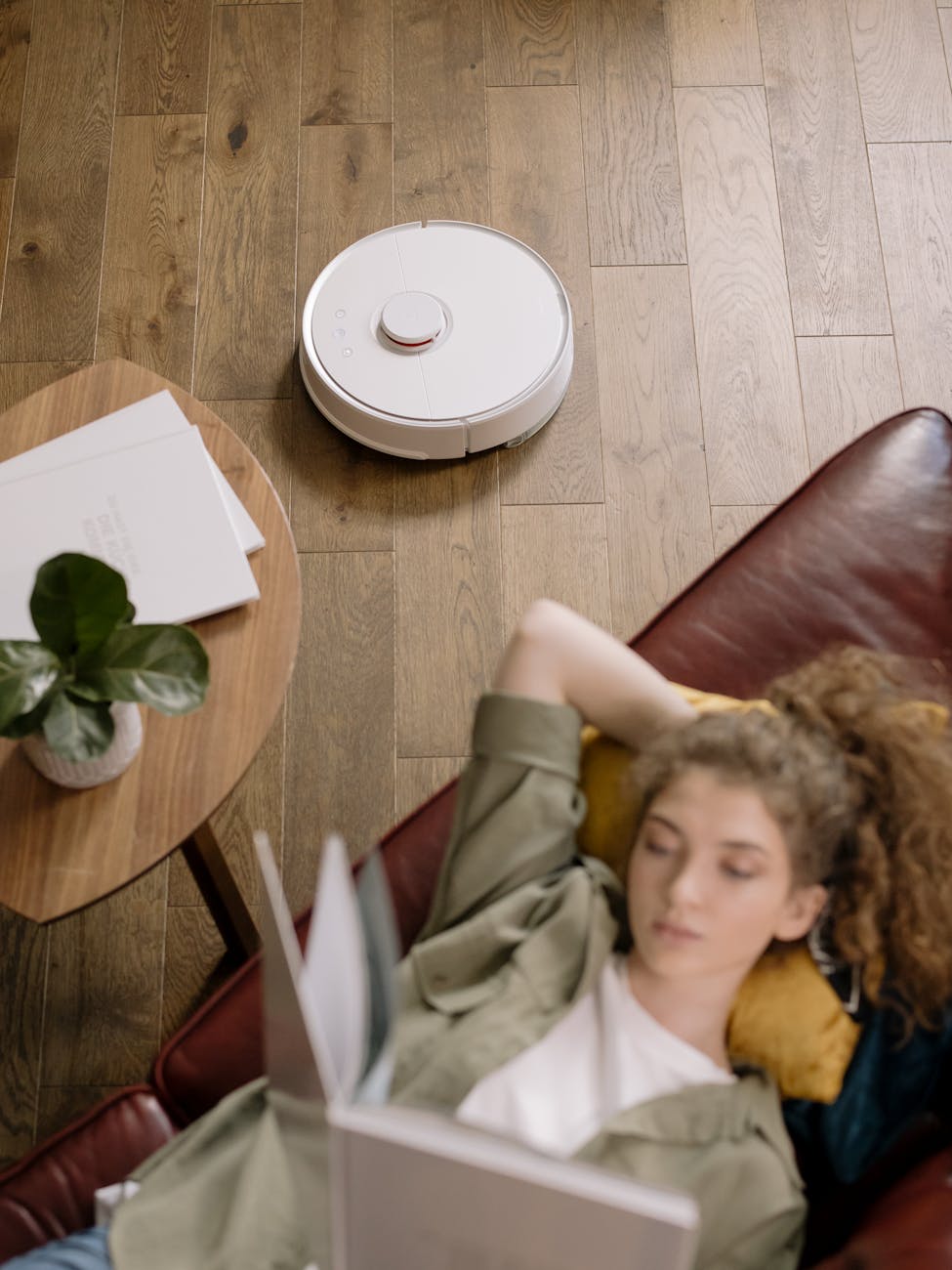
In my pre-teens, the same buzzing sound returned, but this time without accidents. There was no wire; the cordless vacuum had now arrived. Now, when I visit home, it’s almost silent as our robot vacuum scours our floors for traces of dirt, dust or scum.
The corded vacuum reminds me of my parents when they were younger, and our weekend routine: scrubbing floors, dusting, getting take-out and watching a movie. With the robot vacuum, our house can focus on things like yard work, cooking and finances—skillsets my parents want my sister and I to develop before leaving home. Starting from the sounds, sights and feelings associated with the development of the vacuum, I’m able to track my own growth and recall my own feelings.
We’re living through a funny time. AI took off right about when we graduated high school. A giant milestone in our lives was marked by the development of a major technology. In a way, AI’s evolution mirrors our own abilities to grow, change, forget and improve. AI doesn’t just get better. It experiences setbacks, new challenges and opportunities for growth, just like us.
So, what does this mean for us? Technology shapes who we are, optimizing processes and providing comfort and convenience. But now, we know that it can shape our memories. Looking back at that small, sweaty classroom in 2023, it feels like an incredibly random, vivid, waste-of-space kind of memory. But to me, it’s a memory that marks change. That was the first time I heard of ChatGPT. It was also around the time I started to look at colleges to attend. Just like how I was unsure of ChatGPT’s future, I was unsure of my own. As AI got better at providing responses, generating images and solving problems, I ran for officer positions, got accepted into schools and started my first job. That “waste-of-space” memory, tinged with uncertainty, still represents my growth. It emphasizes how AI and I were moving forward together.
If we act with intention in tandem with technology, we can create memories that last a lifetime. AI, the internet and even vacuums are all advancements that hold incredibly charged memories. They guide us through turbulent change, not as immovable, but as ever-improving ones we can grasp onto. In times of uncertainties, we watch and find comfort in them. Then, in the coming months, years, decades, we can look back at how the rock we clung onto has grown. And in turn, how we have grown.


 UF PRISM