
Perhaps one day you dare to wish ill will upon someone, and by sunset that wish has horrendously been realized. Perhaps you hear a new word once, followed by seven more instances within the hour. Perhaps you venture into a new town, only to realize you’ve been there before. Discomforting, right? These are but a few instances of the unheimlich, German for “unhomely.” Hearing this term likely elicits the notion of the “uncanny valley,” where the familiar lacks familiarity, provoking unease. But the unheimlich is much richer than this. Sigmund Freud, the father of psychoanalysis, asserts that the unheimlich refers to the resurfacing of something repressed, like narcissistic desires or primitive supernatural thought, in his essay “The Uncanny.” These definitions make it appear as though the conscious mind maintains a firm grasp of the subject, yet much of this phenomenon is still to be explored and understood.
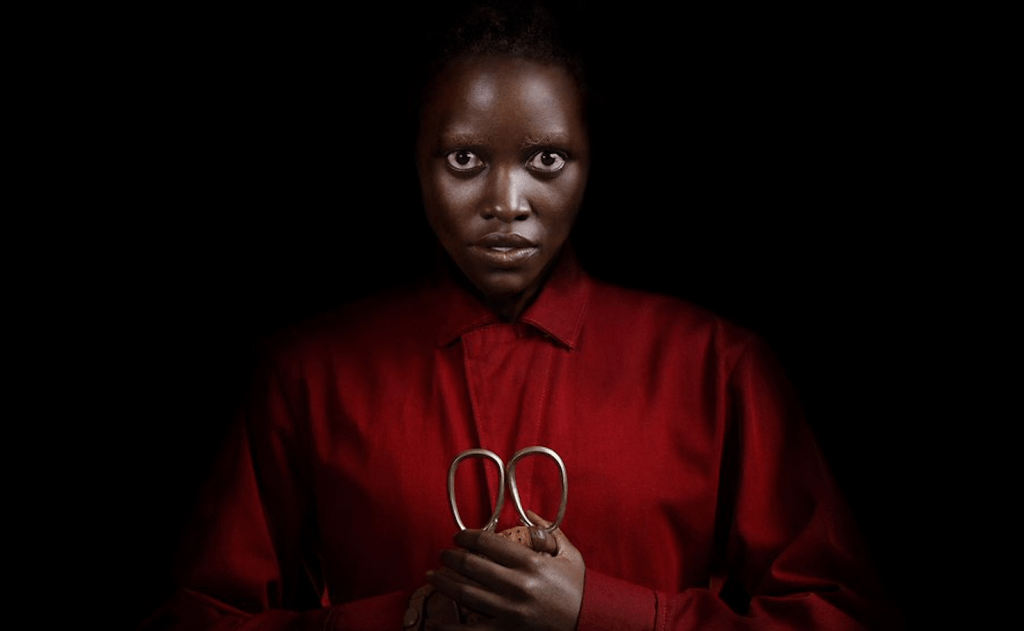
Jordan Peele’s 2019 film “Us” brings the unheimlich right before our eyes. The psychological horror follows the Wilson family on their vacation to Santa Cruz, California, where Adelaide, the protagonist, returns to the site of a traumatic encounter with her doppelgänger as a child. One evening, four strangers in red jumpsuits span the length of their driveway, holding hands, though they aren’t truly strangers. Rather, they are doubles of the Wilson family, seeking to fully assume their identities. These doubles are called the Tethered, and their sharp golden scissors are hungry for snipping and stabbing.
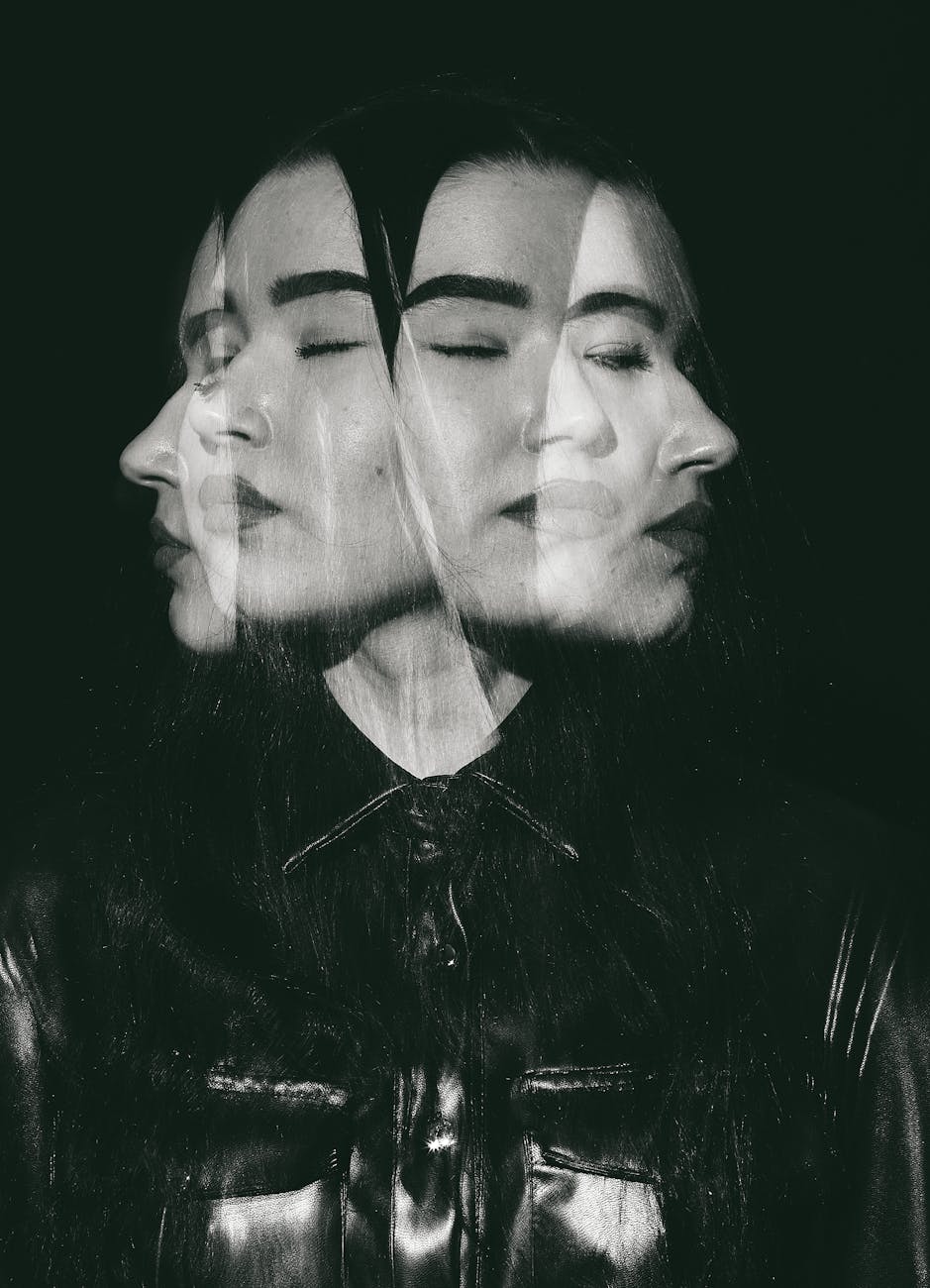
The two most notable causes of the unheimlich in Peele’s “Us” are the forces of doubling and repetition, both of which are detailed further in Freud’s previously-mentioned essay. Doubling is at the heart of the film, establishing the basis of horror as the Wilsons come face-to-face with the repressed, hidden duplicates of themselves. The Tethered live underground, bound to the actions of their “originals,” but thinking their own thoughts. One can perceive the Tethered as symbols of the unconscious, the part of the self that our consciousness is unable to access and control. There’s an underlying fear of being overtaken by this unmanageable force, fully realized in “Us” through the fights for survival and existence. The Wilsons seek to keep the repressed, repressed, particularly “Adelaide.” The Tethered exemplify the unheimlich’s “strangeness within the familiar” that British critical writer Mark Fisher articulates in his novel “The Weird and the Eerie.” They are familiar faces, but some unplaceable element about them is off-putting. Imagine seeing a reflection of yourself not in the mirror, but in person, a “you” that’s unfamiliar and unpredictable, seeking to overtake you. Who is really you? Perhaps both are – a chilling thought, no doubt.
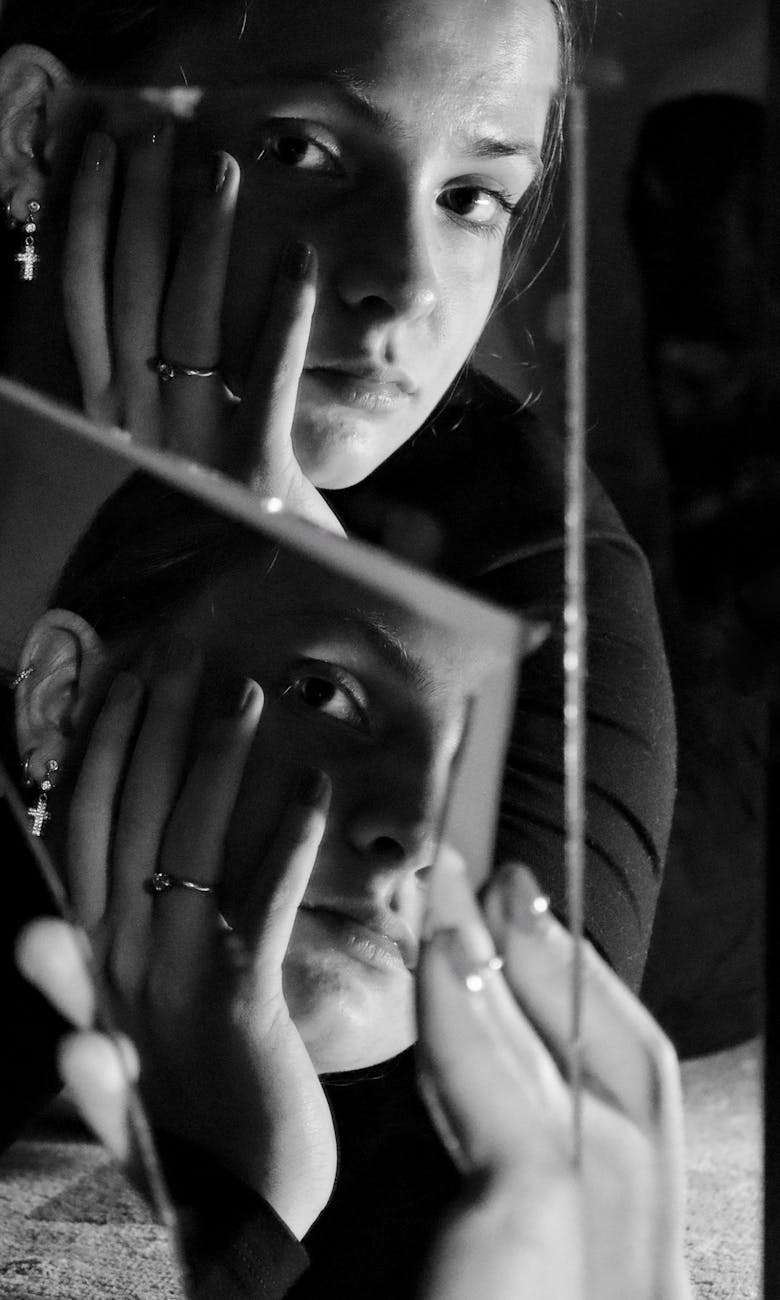
Repetition is prominently laced through a couple of motifs present in “Us”: 11:11 and the Vision Quest mirror maze. Such situations present another dilemma of control, creating a loop one feels they cannot escape, returning to a place or symbol again and again, becoming too familiar. The number 11 is presented both overtly and covertly, from Adelaide choosing boardwalk prize #11 to 11:11 blazing on the face of a digital clock, signaling “bedtime,” or, according to Jeremiah 11:11, an inescapable disaster. Over and over, 11, a “1” and its double, creeps into the dialogue and the setting, communicating a hidden message. Also in the film is a return to the Vision Quest mirror maze, a place splitting people into multiples and reflections. This is the location where Adelaide meets her double, and, impacted severely by the traumatic event, returns to her family as a new Adelaide, no longer herself.
The “uncanny” is a confrontation with the in-between and unseen, exposing the unconscious self, our unfavorable doppelgängers with thoughts as dangerous as sharp golden scissors. At least the next time that odd nausea strikes, you can put a name to the feeling: unheimlich.
Featured Image From: https://www.lunaticsproject.com/post/the-best-doppelg%C3%A4ngers-in-horror-films
 UF PRISM